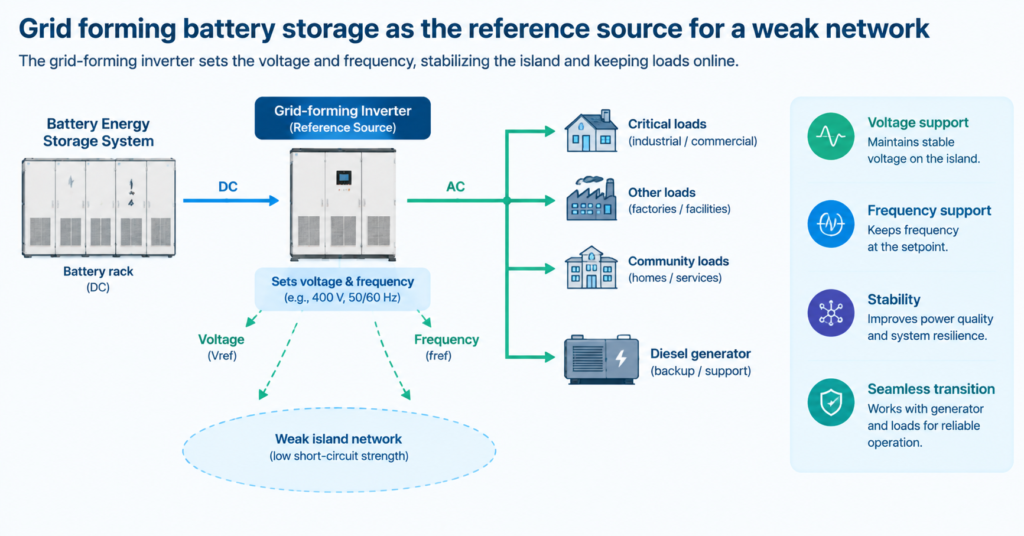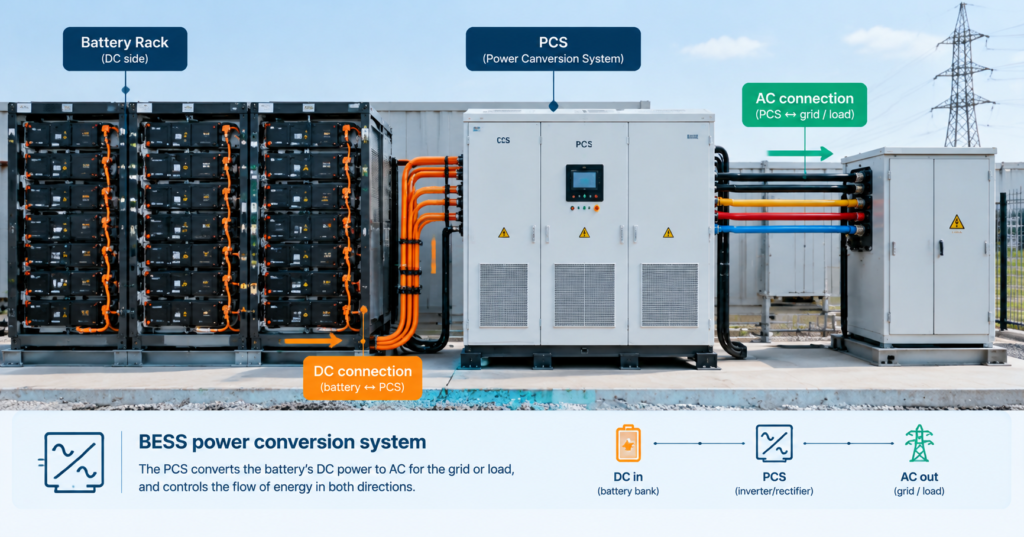
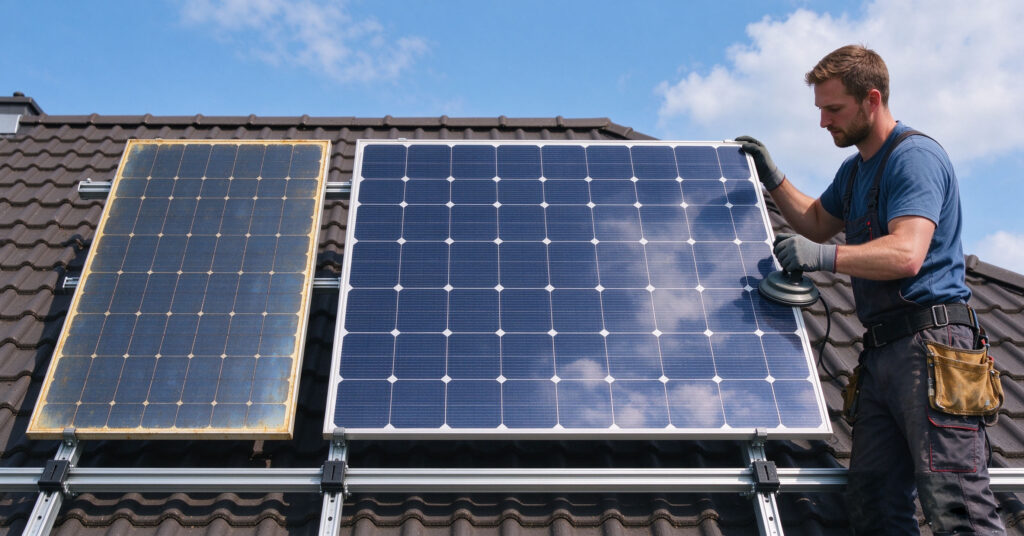
A 300 watt solar panel is the replacement-market class. Arrays installed ten to fifteen years ago are reaching the age where modules fail or underperform, and a 300 W module is the like-for-like swap most owners and installers reach for. It is also a sound choice for compact new builds where roof geometry punishes full-size panels. This guide explains why the class anchors the replacement market, how to match new modules to aging strings and old inverters, and what to check before ordering a swap.
Most replacement conversations start with a dead or degraded module and end with an inverter compatibility problem. Knowing the class constraints before ordering turns a gamble into a plan.
Why the 300 W class is the replacement market
Solar installed in the first big residential wave is now old enough to fail. Connectors degrade, junction boxes take water, backsheets crack, and a decade of thermal cycling loosens joints. When an array loses modules one at a time, the owner rarely wants to re-roof the whole system, and the installer rarely can — the old inverter, the old racking and the old string design all still work. The cheapest path that keeps them working is a like-for-like swap, and 300 watt solar panel is the size that swap usually lands on.
Three reasons converge. First, the failed modules were usually rated in the 230 to 300 W range, so a 300 W replacement matches the string current closely. Second, modern manufacturing at this size is mature and cheap, with a wide choice of suppliers. Third, the physical format suits the older racking and inverter windows that the rest of the system was built around. The solar panel lifespan guide guide covers how arrays get to the point where swaps become necessary.
What the 300 W rating measures
The rating is the same laboratory figure as every other class: rated power under standard test conditions, at a defined irradiance and cell temperature. The 300 W class grew out of the 60-cell format — the standard module layout of the first residential wave — which is why the class is so well matched to arrays built in that era. Newer 300 W modules use more efficient cells in the same footprint, which means the class quietly improved while its dimensions stayed familiar.
What improved most is degradation behaviour. Modern modules carry output warranties measured in decades, with first-year degradation and annual fade both far better than the modules they replace. That matters in a replacement context: the new module in an old string will outlive the modules around it, which is a fact to design around rather than a bonus to enjoy.
Matching new modules to an old array
The instinct — drop a new module into a string of old ones — is the one move to avoid. A string behaves like its weakest module: current through a series string is limited by whichever module produces least, so a fresh 300 W module bolted alongside degraded neighbours loses its advantage to mismatch and runs cooler than it should. The old modules drag it down, and the string as a whole produces less than the sum of its parts suggests.
| Replacement strategy | When it fits | Trade-off |
|---|---|---|
| Swap the single failed module, keep the rest | Budget-driven, array near end of life anyway | Mismatch losses; new module underperforms in an old string |
| Replace the whole affected string | Several modules failed or degraded in one string | Higher cost; clean string behaviour restored |
| Replace the array, keep the inverter | Most modules degraded; inverter window still matches | Best long-term economics; new racking needed |
| Full system replacement | Inverter also failing or unsupported | Highest cost; only sensible when the inverter is done |
Before ordering, measure what the surviving modules actually produce rather than trusting their nameplates — a decade-old array that looks healthy on paper may have degraded well past its warranty curve. A clamp meter and a sunny midday reading tell you more than any spec sheet, and the deep cycle battery load tester guide covers the battery-side equivalent discipline.
Where 300 W sits on the watt ladder
The ladder runs from the 100 W trickle class through 200 W supplemental and 300 W replacement, up to the 400 W mainstream residential module and the 500 W-and-up large-format tier. The 300 W class is unusual in that its centre of gravity is not new construction at all — it is maintenance, which is why it overlaps so heavily with the guides around it.
For new builds the class still earns a place where roof geometry punishes full-size panels: dormers, vents and hips that leave awkward sections where a smaller module fits and a mainstream one wastes half its area. In those cases the 300 watt solar panel is chosen for fit, not price, and the array design follows the roof rather than the reverse. The 200 watt solar panel guide covers the smaller supplemental rung, and the 400 watt solar panel guide the mainstream one.
Inverter and string compatibility
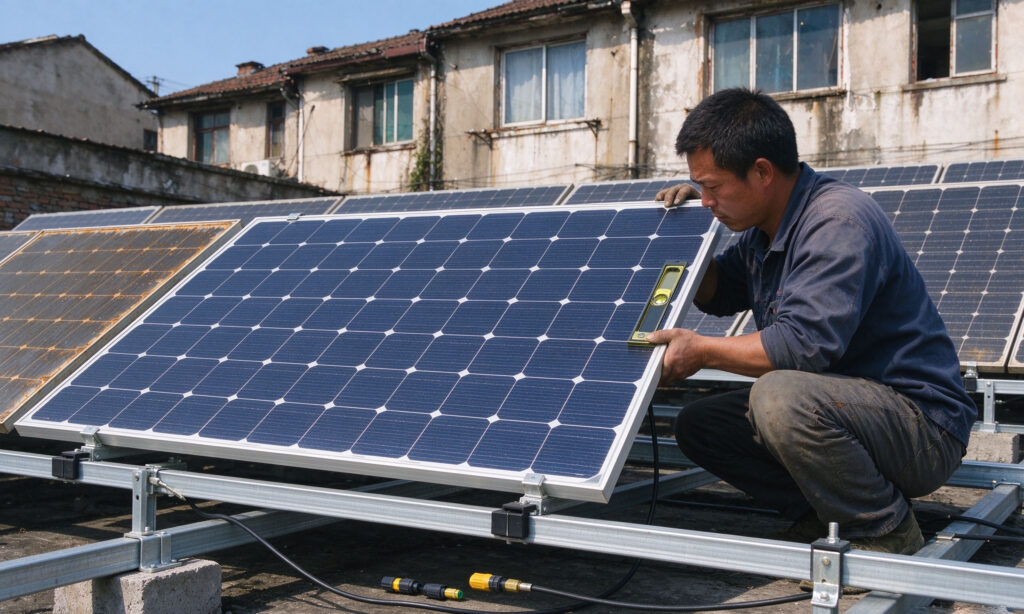
Old string inverters have narrower maximum-power-point windows than modern units, and those windows were designed around the strings of their day. Two checks decide whether a replacement module works with the existing inverter. First, the new string’s voltage at cold-morning extremes must stay inside the inverter’s maximum input, because a 300 W module in a short string can start higher than the old design intended. Second, the string voltage on a hot afternoon must stay above the inverter’s minimum operating point, or the inverter simply stops tracking at the worst time of day.
Where the old inverter cannot accommodate the new string, the options narrow to adding an optimiser per module, re-stringing into a different configuration, or replacing the inverter. The first is the cheapest bridge and the third is often the right long-term answer — an inverter that has run for over a decade has already given more service than most warranties cover, and its replacement resets the whole system’s reliability clock.
Buying notes for the 300 W class
The replacement market has its own quality tiers, and the cheapest module is rarely the right buy. Cosmetic blemishes — scratched frames, minor glass marks — are genuinely harmless and are where the real savings live; cracked glass, delamination and repaired backsheets are not, and sellers describing those as “cosmetic” are gambling with the buyer’s roof.
Check four things before ordering. Confirm the physical dimensions and mounting-hole spacing match the existing racking, because frame standards shifted during the era the array was built. Confirm the connector type is compatible with the surviving string, or budget for adapters. Confirm the electrical parameters — voltage and current at maximum power — sit inside the existing inverter’s window. And confirm the warranty is honoured in the target market, because a replacement module is a long-term asset and a warranty that cannot be claimed is not a warranty. Where the swap is part of a wider fix, the solar panel mounting brackets guide covers the hardware that usually needs attention at the same time.
300 watt solar panel?
A 300 watt solar panel is a mid-size photovoltaic module rated at 300 watts under standard test conditions, most often bought as a like-for-like replacement for aging arrays built on the 60-cell format.
Q. Can I replace one solar panel in an old array?
You can, but a new module in a string of degraded ones loses output to mismatch. Where several modules have failed, replacing the whole affected string is usually the better economics.
Q. Will a 300 watt panel work with my old inverter?
Often yes, if the new string’s voltage stays inside the inverter’s window at both temperature extremes. Check the maximum-power-point range and the cold-morning open-circuit voltage before ordering.
Q. How many 300 watt panels make 5 kW?
About seventeen modules on nameplate arithmetic. Real designs land slightly under the target after accounting for temperature and system losses, so confirm against the inverter’s limits.
Q. Are cosmetic blemish panels safe to buy?
Scratched frames and minor glass marks are genuinely harmless. Cracked glass, delamination or repaired backsheets are not, and sellers describing those as cosmetic are misrepresenting the module.
Q. How long do replacement solar panels last?
Modern modules typically carry output warranties measured in decades, with far better degradation behaviour than the modules they replace. The surviving old modules usually fail first.
Q. Should I replace the inverter when replacing panels?
If the inverter is over a decade old or its window no longer matches the new strings, replacement usually pays for itself in recovered output and removes the next failure point.
Next step: measure the old string before ordering
A replacement swap is a compatibility problem before it is a purchase. Send the old module model, inverter model and a midday string reading.
- Compare the large-format class in the 500 watt solar panel guide
- Check the string geometry with the solar panel tilt angle guide
- For chisidal, send your usage and site details, and we will come back with product prices, lead time and warranty information.