Solar panel installer jobs are roles that mount, wire and commission photovoltaic systems on rooftops, ground arrays and commercial buildings, from entry-level helpers handling racking to NABCEP-certified lead installers who sign off the electrical work. This guide covers the career ladder, the certifications that raise pay, the bands you can expect, where demand is strongest, and how storage and commercial growth are shifting the outlook.
Most people searching this term are weighing two questions at once: whether the work pays enough to justify the training, and whether the demand will still be there in five years. Both questions have honest, market-grounded answers below rather than slogans.
What solar panel installer jobs actually cover
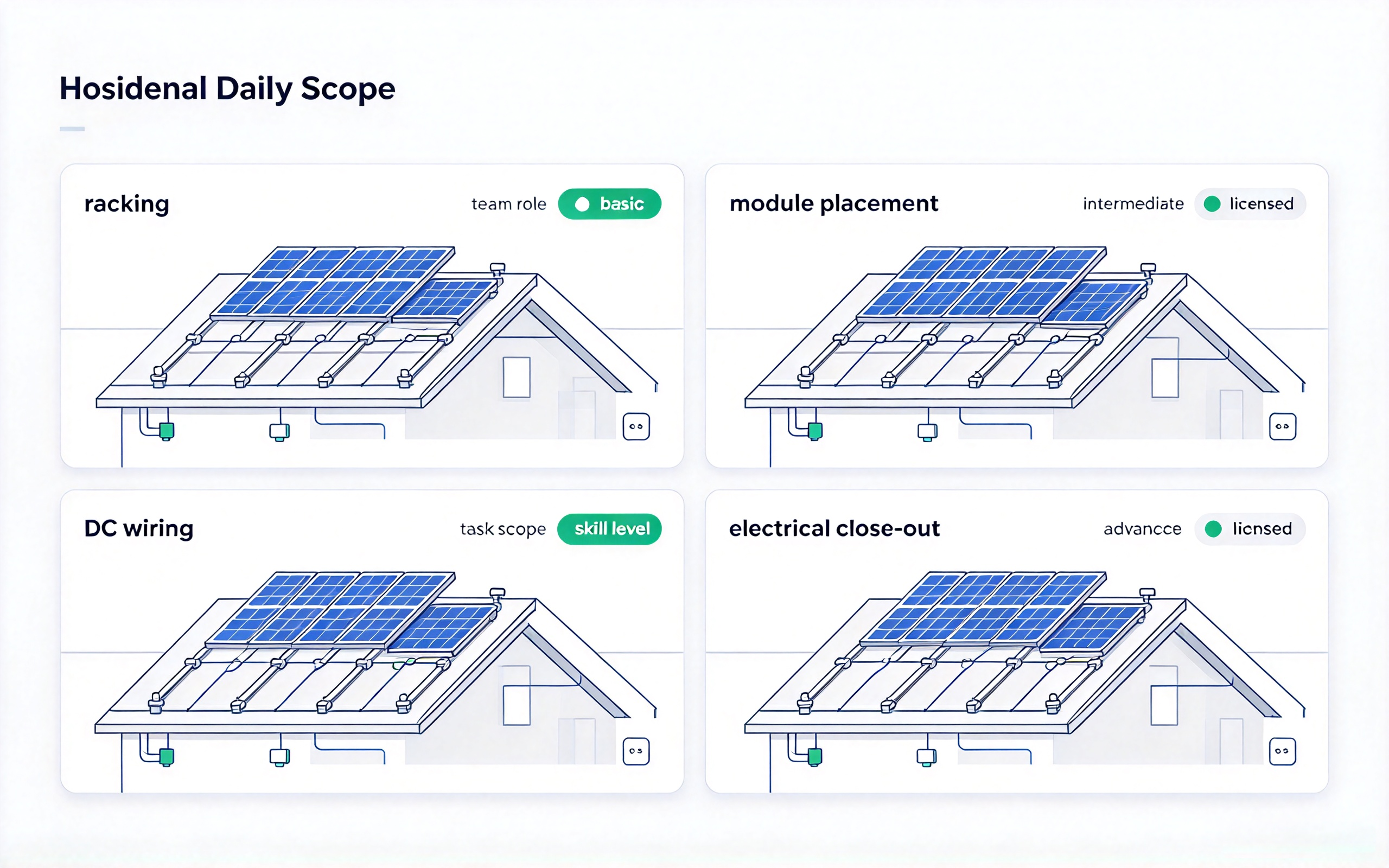
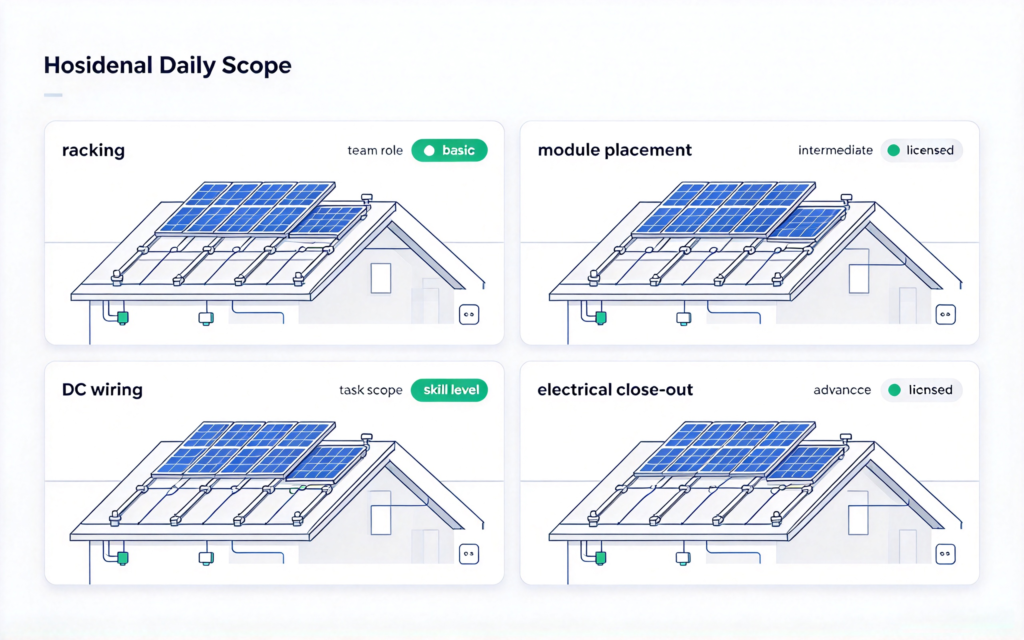
A solar panel installer job is rarely one title. On a small residential crew the same person may carry modules and terminate strings in one day, while a utility-scale site splits the work into discrete trades: layout, racking, placement, DC wiring and licensed electrical close-out. Pay and license requirements scale with which slice of the job you own.
The work splits into a few functions. Racking and mounting hold the array, the same skills used in the solar panel racking system guide. DC wiring and termination cover the string runs between modules and the inverter. The electrical sign-off, including inverter and service-panel connection, usually requires a license and carries the most liability.
Commercial and utility jobs add layers a homeowner install never sees: crane lifts, ground-mount torque specs, and coordination with the solar panel installation permits guide rules that differ by jurisdiction. Map the whole chain, not just the rooftop part.
The career ladder: from helper to lead installer
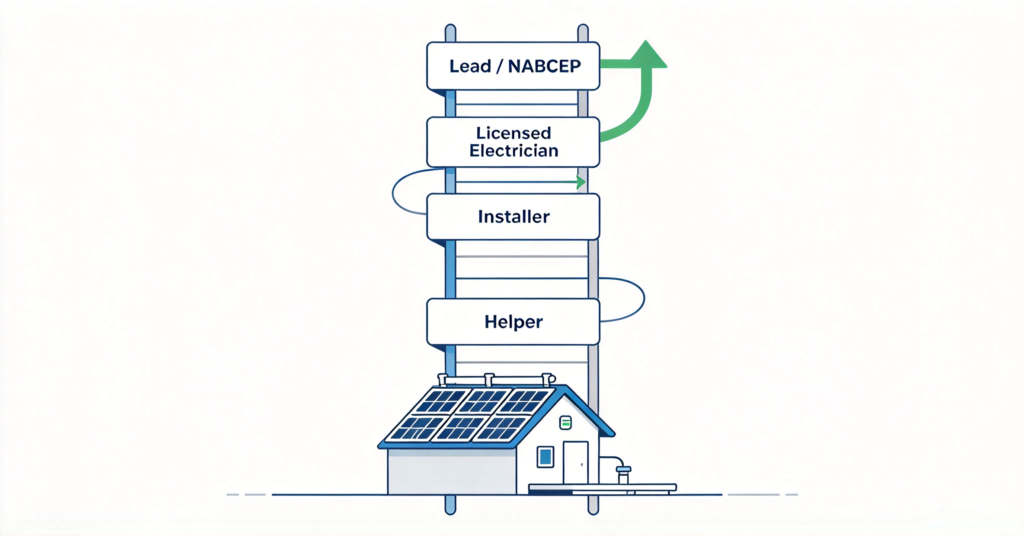
The ladder is consistent across markets even when titles differ. A helper learns safe handling and basic layout. A certified installer can mount and wire a defined scope under supervision. A licensed electrician owns the termination and inspection. A NABCEP-certified lead is the person a customer or inspector trusts to sign the system.
Movement between rungs is a function of hours and certificates more than years. A motivated helper can reach installer level in a season on a busy crew, while the jump to licensed electrician follows the local apprenticeship and exam path, which can run several years. The lead role is earned by field judgment, not a single test.
For people from adjacent trades the transfer is faster. Electricians, roofers and HVAC technicians already hold the safety and ladder discipline solar needs, so the gap they close is usually PV-specific rather than general construction.
Certifications that move you up the ladder
The credential that carries the most weight in North American solar is NABCEP, which signals a verified standard of PV knowledge and ethics to customers and inspectors. It is not the only credential, and in many regions a state electrical license remains the hard gate for closing out a system, but NABCEP is the name buyers and employers recognize.
Safety credentials sit underneath everything. OSHA construction safety, fall-protection and harness competence are baseline for any rooftop role, and the first thing a crew lead checks before a new hand goes up. Manufacturer training on specific inverters or racking also matters, because each system has its own torque, bonding and grounding steps.
A practical certification path looks like this:
- Start with OSHA 10 or 30 construction safety and basic fall protection before any rooftop work.
- Earn entry installer or PV associate recognition, then build field hours toward NABCEP PV Installation Professional.
- Hold or work toward a state electrical license if you intend to own the electrical termination and inspection sign-off.
- Add manufacturer training for the inverters and racking you will install most often, such as the solar panel micro inverters guide product lines.
Pay bands by role and region
Pay for solar panel installer jobs is best read as tiers rather than one number, because a helper and a licensed lead in a high-cost metro can differ two or three times. The bands below are illustrative, not a quoted wage; verify against local labor-market data and the employer before relying on them.
| Role tier | Illustrative hourly band | What unlocks the top of the band |
|---|---|---|
| Helper / laborer | Budget tier (entry) | Safe handling, tool care, reliability on site |
| Certified installer | Standard tier (mid) | NABCEP associate, clean termination speed |
| Licensed electrician | Premium tier (upper) | State license, inspection sign-off authority |
| Lead / foreman | Premium tier plus crews | Field judgment, crew and schedule ownership |
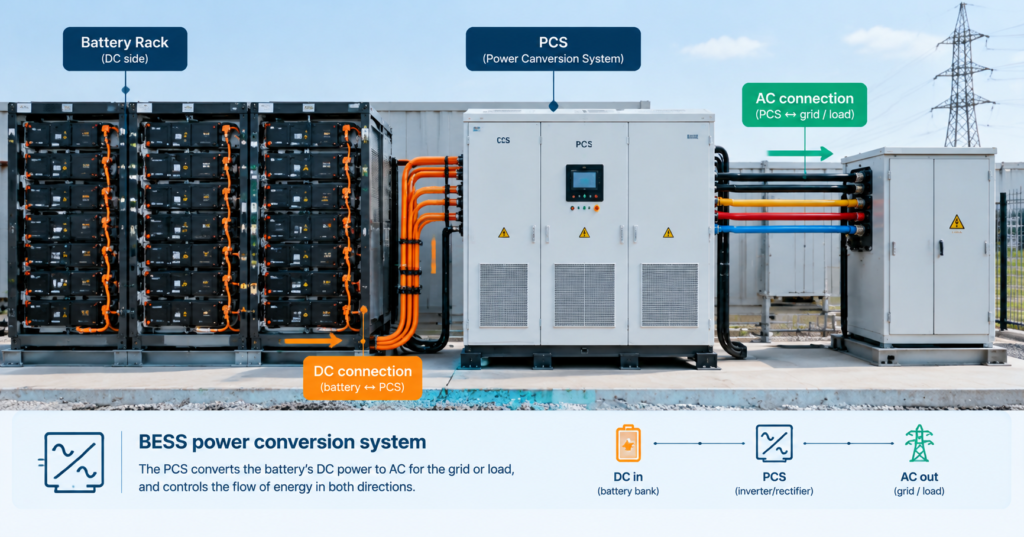
Region is the second lever. Markets with strong incentives, high electricity prices and active commercial pipelines pay the Standard and Premium tiers more readily, while thin-demand markets compress everything toward the Budget tier. Storage work adds a premium because it needs comfort with the DC side in solar panels with battery storage systems, where energized lithium hardware changes the safety calculus.

Where the hiring demand is strongest
Demand tracks where systems are actually built. Residential retrofit markets with high retail rates keep helpers and installers busy, but the steadier, better-paid work has shifted to commercial rooftops, carports and utility ground mounts, where crews are larger and the electrical scope deeper. Employers there compete for licensed electricians more than helpers.
Storage and hybrid projects are the clearest growth pocket. Crews who understand both the AC service and the DC battery side are scarce as more systems pair panels with batteries, and scarcity moves pay. The how many solar panels do i need question feeds into how many crews a region needs, so demand and sizing move together.
Recruiters also look for people who can read drawings and speak to the pv panel kits they assemble, because a crew that understands the bill of materials installs faster with fewer call-backs. The diy solar panel kits complete guide audience is a different market and should not be confused with the professional trade.
How the outlook is shifting
The long-run direction is up but no longer uniform. Early residential booms created uneven demand that corrected in some regions, while commercial, industrial and storage-adjacent installation kept growing. The installers who stay employable added electrical licensing and storage skill rather than only rooftop mounting.
Automation and pre-assembled racking remove some repetitive mechanical tasks, pushing remaining jobs up the skill curve. That helps pay at the top and hurts pure laborers, so the advice is steady: do not stop at the helper rung. Familiarity with the solar module components guide and the electrical system around it protects a career from simpler tooling.
Breaking in: what employers actually check
For a job seeker the checklist is short and verifiable. Confirm the safety baseline, gather field hours with references, and present a clean NABCEP or license status up front. Employers screen on the items below more than on a resume, because solar is field work where a bad hire shows up on a roof.
| Employer check | Why it matters | What to bring |
|---|---|---|
| Safety credential current | Rooftop and electrical risk | OSHA card, fall-protection record |
| Field hours documented | Speed and reliability | References from prior crews |
| License or NABCEP status | Who can sign off the work | Certificate number, expiry |
| Tool and drawing fluency | Fewer call-backs | Evidence of kit and diagram reading |
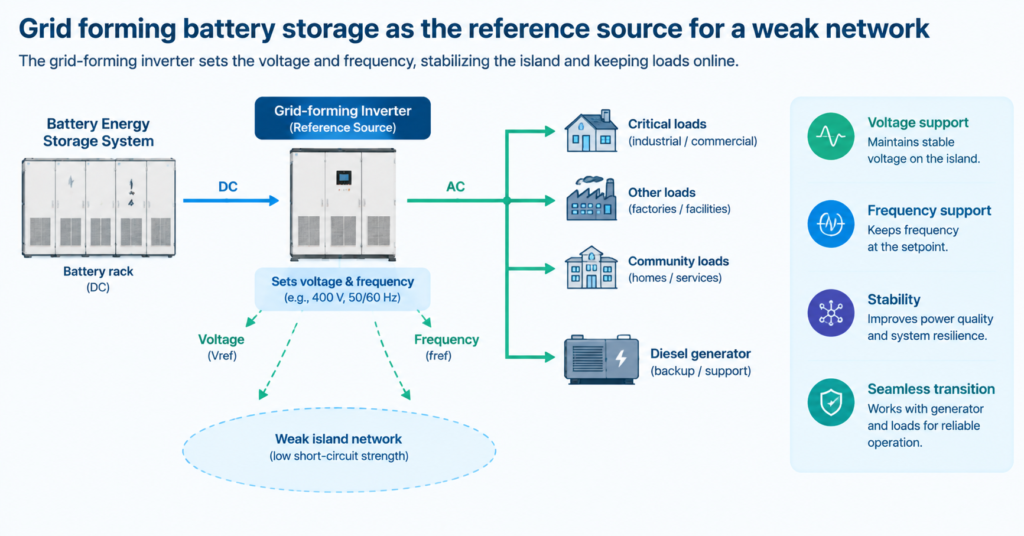
For chisidal projects that pair panels with storage, crews must be comfortable on the DC battery side before touching an energized system. That expectation is why the licensed-and-storage profile commands the Premium tier and why the career ladder, not the helper role, is the place to aim.
Q. What are solar panel installer jobs?
Solar panel installer jobs are roles that mount, wire and commission photovoltaic systems on roofs, ground arrays and commercial buildings. They range from helpers who handle racking and modules to licensed electricians and NABCEP-certified leads who sign off the electrical work. The term covers a ladder of trades rather than one fixed title.
Q. How much do solar panel installer jobs pay?
Pay is best read in tiers: a helper sits in the Budget entry band, a certified installer in the Standard mid band, and a licensed electrician or lead in the Premium upper band, with region and storage skill pushing the top further. The figures are illustrative ranges, not a quoted wage; verify against local labor-market data before relying on them.
Q. Is NABCEP certification required?
NABCEP is not a universal legal requirement, but it is the credential customers and inspectors recognize by name, and it is effectively expected for lead and professional installer roles. A state electrical license remains the hard gate for electrical termination in many regions, so the two are complementary rather than interchangeable.
Q. Do I need an electrical license to install solar?
You can do mechanical mounting and non-licensed tasks without one, but the electrical termination and inspection sign-off that closes out a system usually require a state license. The licensed slice of the job is also where pay and liability concentrate, which is why the license is the rung that changes a career.
Q. Are solar panel installer jobs in demand?
Demand is strongest in commercial, industrial and storage-adjacent segments, where crews who understand both AC service and DC battery hardware are scarce. Residential retrofit markets stay active in high-rate regions but correct more sharply, so employability tracks the deeper electrical and storage skill more than rooftop mounting alone.
Q. How do I start a solar installer career?
Start with OSHA construction safety and fall-protection training, build documented field hours on a crew, then pursue NABCEP recognition and, if you want the top tier, a state electrical license. Add manufacturer training on the inverters and racking you will install most, because fluent product knowledge reduces call-backs and raises pay.
Next step: build the licensed-and-storage profile employers pay for
The rooftop ladder is real, but the pay lives at the licensed and storage-competent rungs. Pair safety basics with NABCEP and a license, and the demand question answers itself.
- Compare the system scope behind the pv panel kits you will assemble so you can read a bill of materials on day one
- For chisidal, send your usage and site details, and we will come back with product prices, lead time and warranty information.