A 10 kilowatt hour battery is the size most homeowners arrive at when they move past keeping the lights on and start running the house — or a meaningful slice of it — for a day or more. It covers a typical evening peak and a night of modest loads while still fitting a garage or utility room. This guide places the class on the capacity ladder, works through usable versus rated capacity, shows the runtime arithmetic that decides fit, and explains what the inverter and charging side must support.
Most sizing conversations jump straight to a price per kilowatt-hour and stop. The more useful sequence starts one step earlier: what the bank has to deliver overnight, and how deeply you are willing to cycle it every day.
Where the 10 kilowatt hour class sits on the ladder
Home storage sizes cluster into a handful of practical classes, and each one answers a different question. The smallest useful banks — a few kilowatt-hours — are built around essentials: a refrigerator, some lighting, network gear, maybe a well pump. The middle of the market, roughly 10 to 15 kWh, is where whole-panel backup becomes realistic for a typical single-family home. Above that, systems are sized for multi-day autonomy, electric heating loads, or commercial duty where the battery is a working asset rather than insurance.
A 10 kilowatt hour battery is the entry point to that middle class. It will not run electric heat or a well plus air conditioning indefinitely, but it covers an evening peak, a night of standby loads, and a morning restart without touching the grid. For a household whose main worry is a multi-hour outage rather than a multi-day one, that is the right neighbourhood. The whole house battery backup guide covers the whole-house framing in more depth.
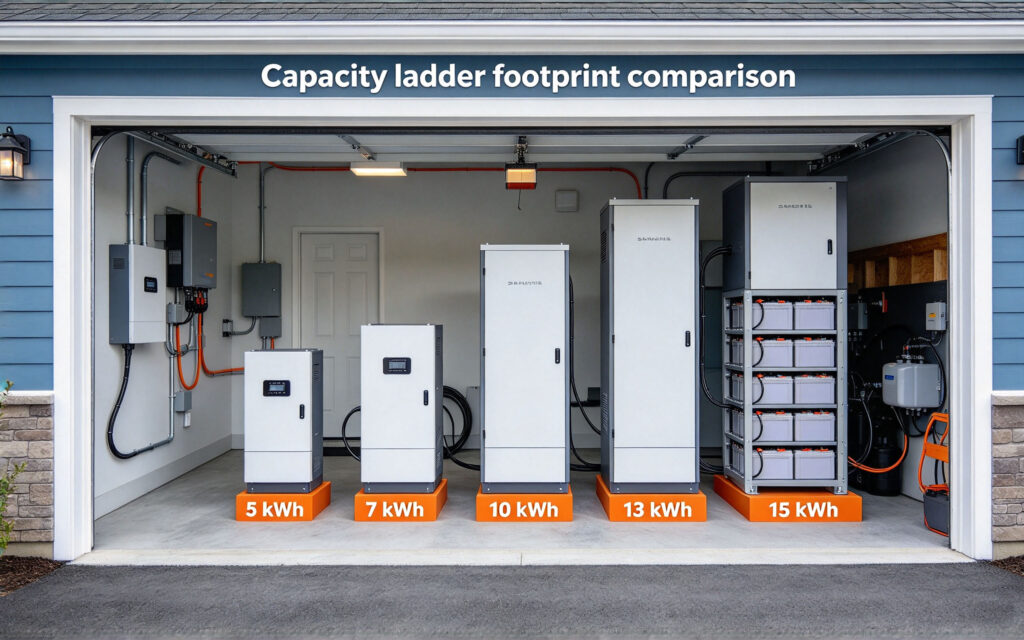
| Capacity class | Typical role | What it will not do | Physical class |
|---|---|---|---|
| 3–5 kWh | Essentials backup: fridge, lights, network | Run cooking or climate loads for long | Wall unit, one person install |
| 10–15 kWh | Evening peak plus overnight standby; light solar self-consumption | Multi-day autonomy without solar | Floor cabinet or stacked modules |
| 20–30 kWh | Deeper daily cycling with solar; larger homes | Whole-home electric heat | Multiple cabinets, dedicated space |
| 50 kWh and up | Commercial duty, critical loads, multi-day reserve | Fit a standard utility room | Rack or container class |
Usable versus rated: the number that matters
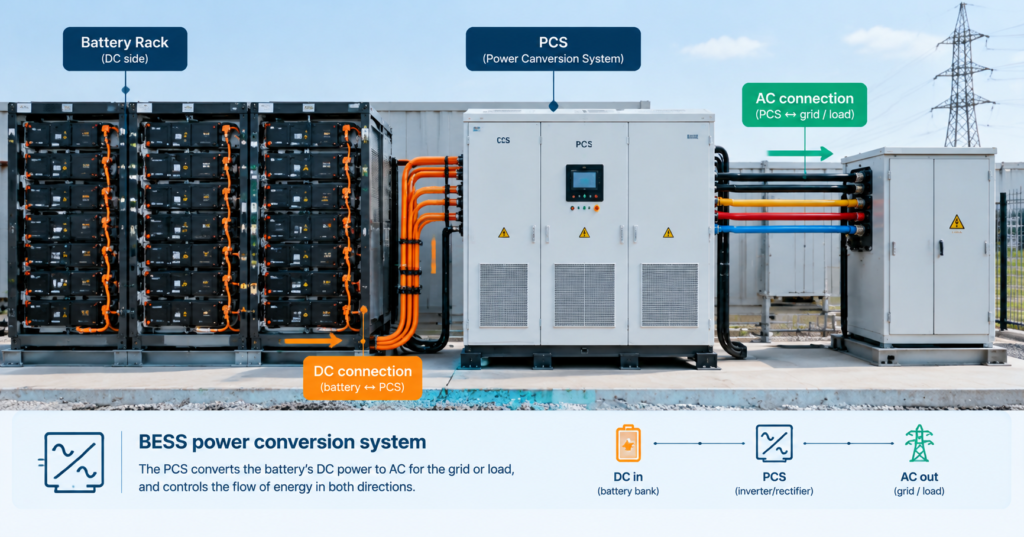
A nameplate of 10 kWh is a ceiling, not a promise. Two adjustments sit between the label and the electricity you can actually use. The first is depth of discharge: most lithium home batteries are specified for roughly 90 percent usable capacity, with the bottom band reserved to protect the cells, while flooded lead-acid banks should not routinely go below half. On a 10 kWh lithium system that means something close to 9 kWh of working energy; on a lead-acid bank of the same nameplate, closer to 5 kWh before you start shortening its life.
The second adjustment is conversion loss. Energy leaves the battery as DC, passes through an inverter, and arrives as AC at something like 90 to 96 percent efficiency depending on the unit and the load level. Small loads suffer proportionally more than large ones. A bank that delivers 9 kWh DC to an inverter running a light load may put 8 kWh on the panel. Neither adjustment is a defect — but a buyer who plans against 10 kWh and gets 8 will feel short-changed by arithmetic they were never shown. The how to size a home battery guide walks through the load-side version of this calculation.
Runtime arithmetic you can do on one page
The honest way to size a bank is bottom-up from loads. List what has to run, take a realistic watt figure for each rather than a nameplate maximum, multiply by hours, and add. A refrigerator cycling through a day draws a few tenths of a kilowatt-hour in practice even though its compressor is rated in hundreds of watts; a microwave draws its full rating but only for minutes. The overnight total for a modest household — refrigerator, a few lights, phone and laptop charging, a fan — usually lands in the low single-digit kilowatt-hours.
That is why a 10 kilowatt hour battery is comfortable for essentials and tight for ambition. Add an electric oven for an hour, a well pump cycling through the night, or a space heater, and the same bank is exhausted by breakfast. The useful discipline is to separate must-run loads from nice-to-have loads before choosing the size, because the two categories price very differently. The 48V 200Ah LiFePO4 battery and 48V 300Ah rack mount lithium battery pages show how the same logic looks at module level.
What has to be true on the inverter and charging side
A battery bank is only as useful as the inverter behind it. Two numbers decide whether a 10 kWh class system behaves: continuous output and surge capability. Continuous output has to cover the simultaneous load — the sum of everything that runs at once, not the sum of everything that exists. Surge capability covers the moment a well pump, air conditioner compressor or power tool starts, which can demand several times its running current for a fraction of a second.
Charging is the other constraint. If the bank is charged from solar, the array has to be large enough to refill a 10 kWh class bank on a typical day, and the charge controller or hybrid inverter has to accept the array’s voltage window. If it is charged from the grid, a standard circuit refills the bank overnight without drama — but a buyer planning to run the house on solar alone in winter needs a much larger array, or acceptance that the grid will top up. The LiFePO4 versus lithium ion NMC comparison explains why the chemistry choice changes the usable fraction of the same 10 kWh.
Owning the class: what changes at this size
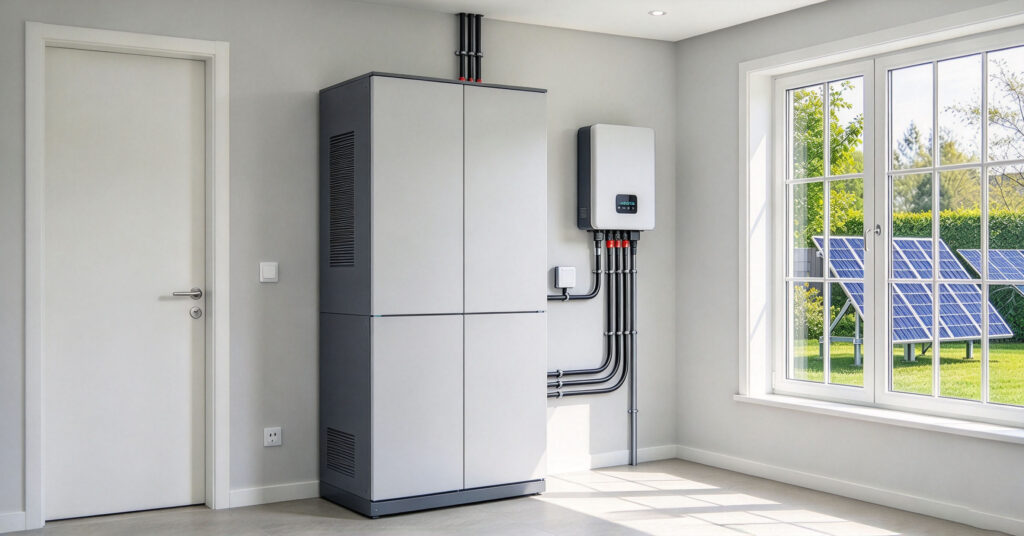
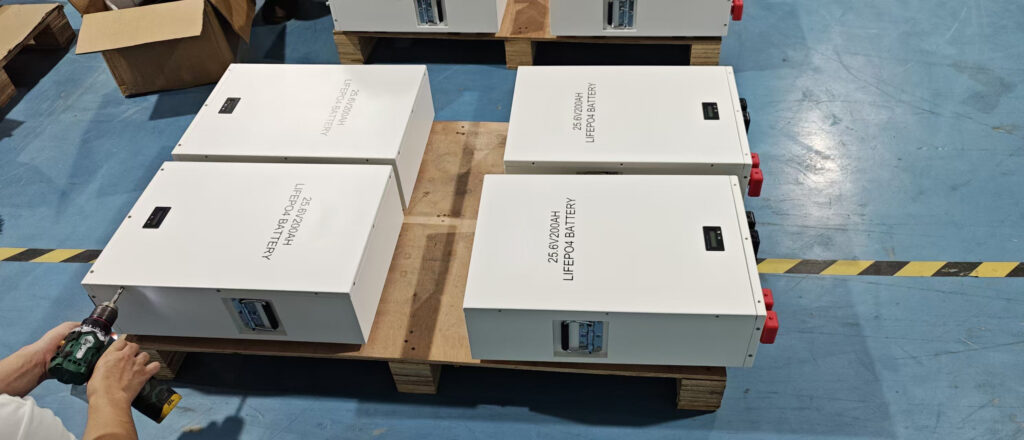
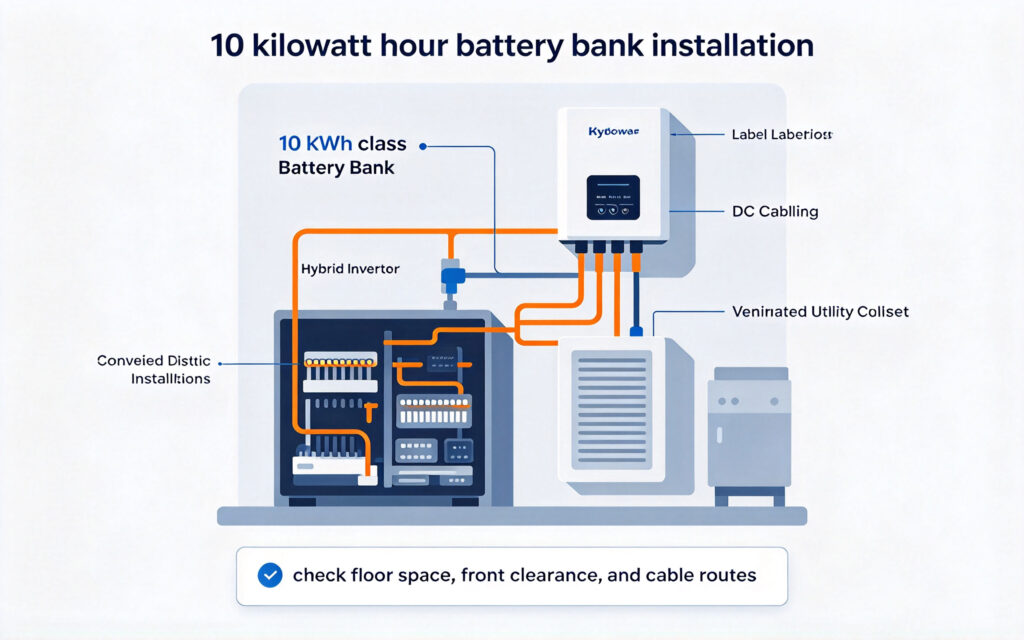
At 10 kWh the installation stops being an appliance purchase and starts being a small project. The bank is heavy enough that floor loading and placement matter, ventilation and clearance rules apply to the chemistry, and a disconnect and breaker arrangement that meets local code becomes non-negotiable. None of this is exotic — it is standard electrical work — but it belongs in the budget conversation from the start rather than appearing as a surprise on installation day.
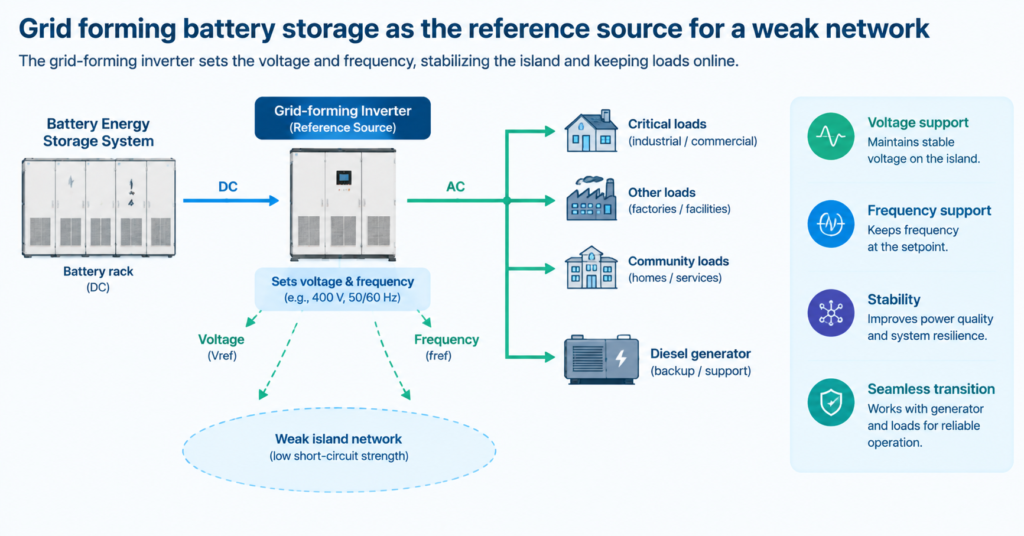
Operating costs are modest. A lithium bank cycled daily loses a small fraction of its energy to self-discharge and conversion, and a grid-charged system moves energy at whatever the local tariff charges. Buyers on time-of-use rates can shift charging into cheap hours and discharge into expensive ones, which is often where the economic case for this size class is strongest. Buyers on flat rates are buying resilience, not savings, and the honest framing matters. The what battery storage BESS means overview places this in the wider storage context.
Buying notes for the 10 kWh class
Specify the usable capacity, not the nameplate, and ask which depth of discharge the warranty assumes. Ask for the round-trip efficiency figure and the continuous and surge ratings of the paired inverter. Confirm the physical envelope — doorways, floor space, ceiling height — before ordering, because this class rarely fits through a problem it was not measured for. And decide early whether the bank will be cycled daily or held in reserve, because the two duty profiles justify different chemistry and warranty choices.
Q. 10 kilowatt hour battery?
A 10 kilowatt hour battery is a home storage bank rated to deliver ten kilowatt-hours of energy — enough for an evening peak plus overnight essentials in a typical household, and the entry point to whole-panel backup.
Q. How long will a 10 kWh battery run my house?
Essentials only, typically most of a night and into the next morning. Add cooking, climate loads or a well pump and the same bank can be exhausted in a few hours. The honest answer comes from a load list, not a nameplate.
Q. Is 10 kWh enough for whole-house backup?
It covers the loads most households actually run during a short outage, but not electric heat, air conditioning or well pumping for extended periods. Size to the must-run list rather than the whole panel.
Q. How many solar panels do I need to charge a 10 kWh battery?
A typical residential array — on the order of eight to twelve mainstream panels depending on region and season — can refill a 10 kWh class bank on a good day. Winter output and roof orientation decide whether that holds year-round.
Q. What depth of discharge should I expect?
Lithium systems in this class are usually specified around 90 percent usable; flooded lead-acid should stay near 50 percent for longevity. Usable energy is the number to plan against, not the nameplate.
Q. Can I expand a 10 kWh system later?
Often yes. Modular systems allow additional battery modules, and many hybrid inverters accept a larger battery capacity than they ship with. Confirm the expansion path before purchase, because it constrains the inverter choice.
Q. Is a 10 kWh battery worth it without solar?
As resilience, yes — it charges from the grid and stands ready. As a financial play it depends on your tariff; time-of-use rates can make daily charge-and-discharge cycling worthwhile, flat rates usually cannot.
Next step: size from the load list, not the label
A 10 kWh class bank pays off when the must-run loads are known. Send the overnight load list, the peak load, and the available space.
- Compare sizes against the group 27 deep cycle battery if the bank is lead-acid
- Review the li-ion rechargeable cell guide for how the cells inside set the ceiling
- For chisidal, send your usage and site details, and we will come back with product prices, lead time and warranty information.